Why investing in photography is a smart move for charities
With free stock image suppliers and AI apps now making it easy to access free or low cost photographs, is it ever worth charities paying for a professional photographer
At Eyes Down Digital, we recommend using original photography wherever possible, and this article explains why. We have also included a few suggestions for improving your brand’s visual impact when it is not possible to use original photographs.
Genuine photography increases brand engagement
According to eye-tracking studies, people tend to ignore generic photographs of people. In contrast, photos of genuine people draw attention and arouse curiosity. This especially makes sense for charities because the people you are featuring will be closely connected with your work. Whether you are featuring beneficiaries, volunteers or campaigners, your visitors are likely to want to find out more about their stories.
Since stock photos of models have no back story, they cannot inspire the same level of content engagement. Using stock photos may even backfire on your brand by giving the impression that you are not really invested in your cause.
Real people convey authentic emotions
The contrived emotions in stock images tend to range from bland to downright cheesy. This can remove any of the impact you are trying to create with your powerful stories and case studies.
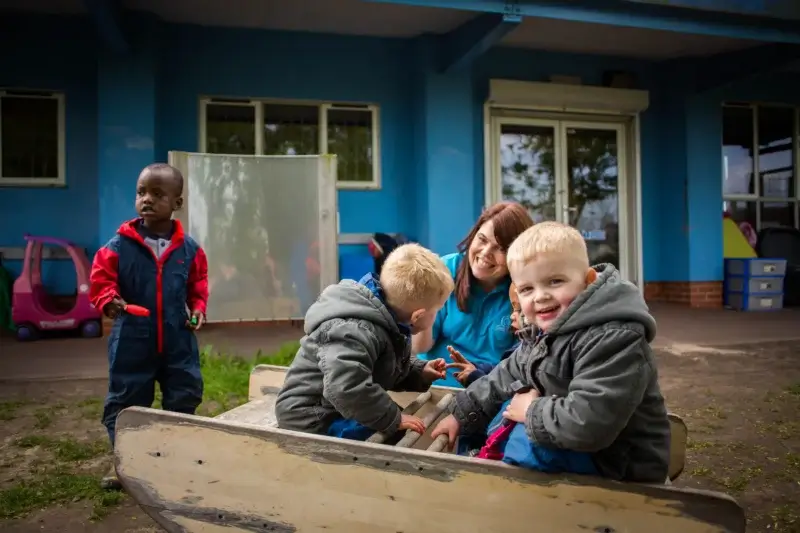
A professional photographer will be able to capture the genuine emotions from the people you have helped or those working for your cause. Whether displaying passion, sadness, joy or pain, these natural images will create a connection with the viewer. Charities need this to inspire visitors to donate or join a campaign.
Here are some examples of the power of commissioned photography, taken from charities we work with:
https://www.womankind.org.uk/
https://bettertransport.org.uk/
https://www.gobeyond.org.uk/
https://www.flinthouse.co.uk/
While genuine photos from people connected with your charity are ideal, there may be reasons why you can’t use them. Some cash-strapped charities will simply struggle to afford the rates charged by a professional photographer.
Other charities may be unable to publish photographs of the people they support due to safeguarding or issues around data protection or confidentiality.
Here are some ways to overcome these obstacles.
Smartphone footage for cash-strapped charities
While self-taken smartphone images of people are no substitute for a professionally shot and edited image, they are almost always a better option than stock images for the reasons already mentioned.
If you decide to use a smartphone to take pictures, take time to familiarise yourself with the settings as some phone cameras, especially high end models can give you a lot of manual control. The lack of an optical zoom lens makes smartphones less useful for capturing objects at a distance, but with some research and practise, you should be able to turn out a decent portrait image.
While it is unlikely that your smartphone images will be as polished as those taken by a pro, the rough and ready look can be effective for some causes, especially if your brand has an urban vibe. This is evidenced by the popularity of TikTok and other types of live streamed footage.
Find a photographer who supports your cause
Professional photographers can be expensive, but you may find one that is prepared to discount their rates for a charity that is close to their heart. Use social media and your other networks to let people know you are on the lookout for a decent photographer.
Applying an image treatment to stock images
If the sensitive nature of your charity prevents you from taking real images of your beneficiaries or volunteers, you may need to fall back on stock photographs or hire models. If relying on stock, we recommend that you spend time carefully sourcing natural looking photos and applying a visual treatment to give them a strong brand feel.
There are many subtle touches you can apply to achieve this, from creating derivative graphics (if the stock image licence allows this) to colour matching elements of the photograph using your brand palette.
Here are some examples of this approach from our portfolio. As you can see, the creative touches we applied gives the impression that the photographs on these sites were taken specifically for them.
https://www.peerpower.org.uk/
https://iansa.org/
Do you invest in professional photographs for your website or take them yourself? Have you used stock images? Do you add a visual treatment before publishing? We would be fascinated to hear how your choice of photography affects engagement for you.
Related Articles
You may also be interested in these similar articles.